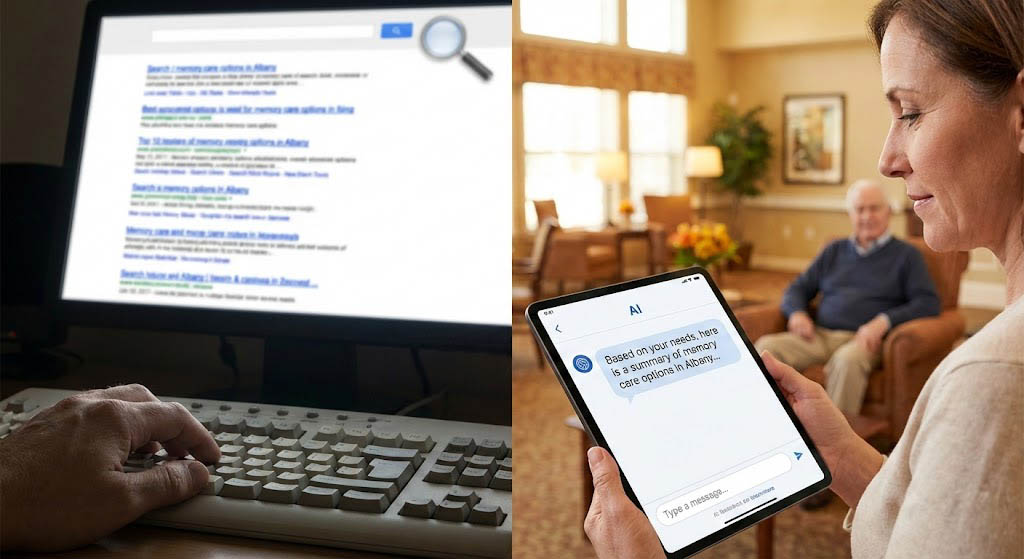
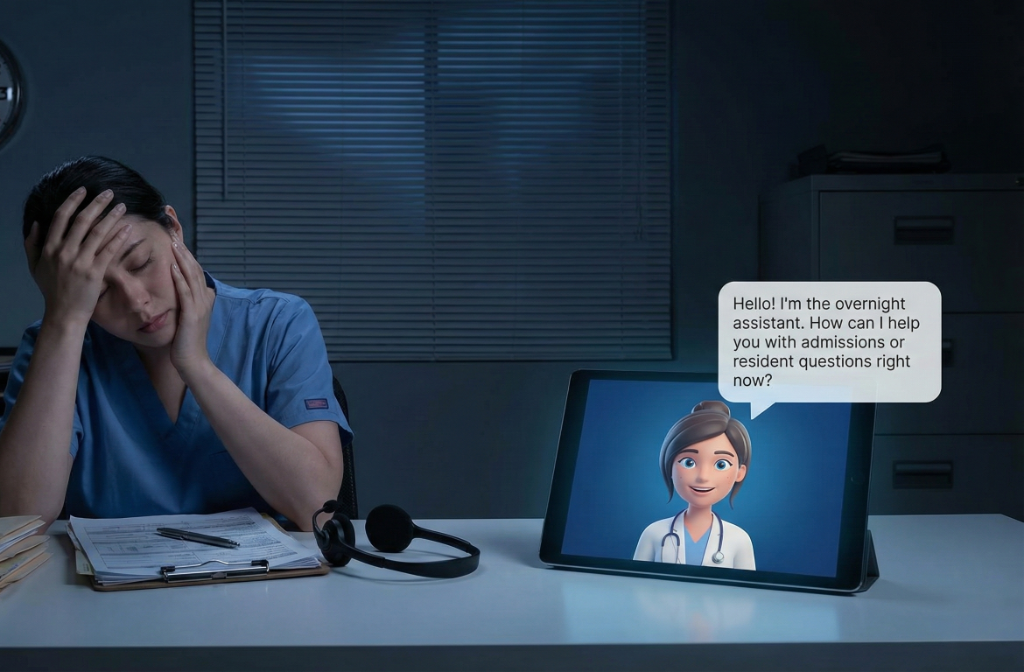
The hardest part of running a senior-serving business right now isn't finding leads. It is finding—and keeping—staff.
In 2026, the staffing crisis is the number one operational headache. I know this because I've been there. Before I started Greatness Digital, I was an Admissions Director. I know what it feels like to be "always on." I know the pressure of meeting quotas while feeling like you can never truly unplug.
When your marketing staff burns out, your lead flow stops. One of the biggest reasons they burn out is the relentless pressure of the "urgent" phone call.
The million-dollar missed call
In senior care, haste is everything. When a family is in crisis, the first company to answer the phone usually wins the lead.
But humans can't be everywhere at once.
We see missed opportunities every day. Calls go to voicemail on weekends. Prospects get a busy signal in the evening. In this industry, a missed call isn't just a nuisance. It could be a high-value, private-pay resident you just lost to the competitor down the street.
Filtering the "pseudo-urgency"
As an Admissions Director, I felt like every case was an emergency. But once I got the family on the phone and gathered the facts, I often realized it wasn't urgent at all.
The problem is that it still took my time and energy to figure that out.
This is where an AI assistant changes the game. It can capture that caller the moment they need answers. It filters the leads before they ever get to your staff.

The three golden questions
At Greatness Digital, we program AI assistants to ask the right questions. We don't just ask about budget.
Here is an inside tip: Budget can be stretched if you build enough trust. Instead, we focus on:
- Level of Care: Does the senior need independent living, assisted living, or memory care?
- Urgency: Do they need a tour tomorrow, or are they just starting to research?
- Payer Source: Do they have long-term care insurance, or are they looking for Medicaid?
Answering these questions allows the AI to determine the real level of urgency.
Better than voicemail
I tell CEOs and owners the same thing: AI is not a shortcut. It is a safety net.
An AI assistant is infinitely better than a voicemail box. It can be turned on only when your staff is busy or the building is closed. It can qualify the lead and send a text or email notification to your team.
If the lead is a high-priority "move-in today" situation, your team gets a high-priority alert. If it's someone just looking for a brochure, it goes to a low-priority folder.
Transparency is key
We never try to "trick" families. The AI assistant should always be transparent. It should say, "I am an AI assistant here to help you get answers quickly."
Most importantly, the caller can always ask to speak to a real person.
This gives your staff the flexibility to do their jobs without the constant fear of a missed call. It lets them focus on building human relationships.
Let the AI take the night shift. Let your people do the human work.